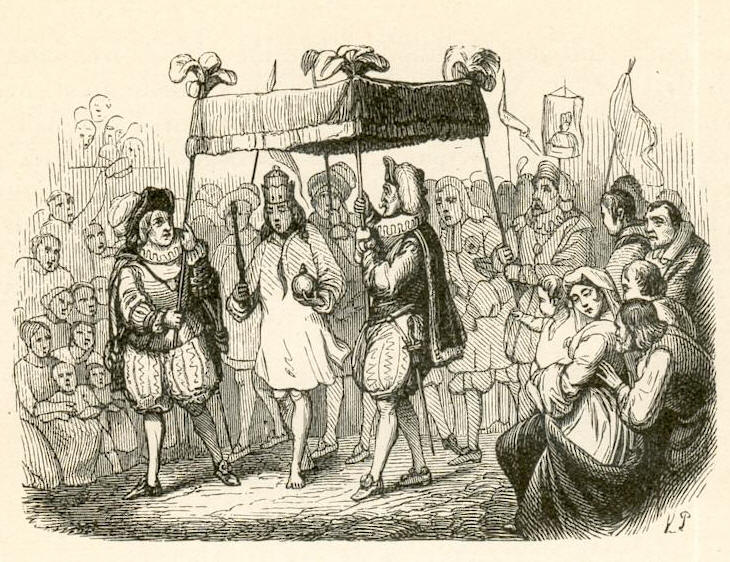
In Hans Christian Andersen's classic parable1, two swindlers convince an emperor they can weave magical clothes that are invisible to anyone unfit for their job or hopelessly stupid. The emperor, eager to prove his worth, pretends to see the clothes. So does everyone else, his advisors, citizens, even the tailors, because they are afraid to speak the truth. Only a child, with no reputation to protect, calls it like it is: "The Emperor has no clothes!"
The Story
Lessons Learned
Culture of Fear Undermines Transparency
When people believe that disagreeing with leadership will get them in trouble, they stop being honest. This creates a fragile environment where problems stay hidden until they grow too large to ignore. Agile relies on transparency and the ability to inspect and adapt. Without psychological safety, teams cannot raise concerns, challenge flawed ideas, or surface blockers in time.
Agile in Name, Command in Practice
Many organizations adopt Agile frameworks but keep old behaviors. Leaders continue to direct solutions and control team decisions. Teams are expected to move fast and deliver, but not to think critically or push back. This approach turns Agile into a delivery process rather than a culture of learning and collaboration. Real agility comes from trusting teams, not just speeding them up.
Ignoring Frontline Insight Wastes Time and Money
The people doing the work often see issues before anyone else. When their feedback is ignored or filtered, leadership decisions become disconnected from reality. This leads to wasted investment, misaligned priorities, and rework. Agile organizations succeed by listening to the people closest to the product and the customer.
Scrum Masters and Coaches Are Mirrors, Not Cheerleaders
These roles exist to show what is really happening. They surface team dynamics, system constraints, and leadership patterns that block progress. When they are ignored or sidelined, the organization loses its ability to reflect and improve. A good coach or Scrum Master does not exist to please. They help teams and leaders see clearly and grow.
Truth Often Comes From the Edges
In the story, the truth is spoken by a child with no fear of consequences. In real organizations, it may come from a junior developer, a new hire, or someone outside the chain of command. Healthy Agile cultures create space for all voices. They encourage curiosity and invite honest questions from anywhere in the system.
Clarity Is Better Than Forced Agreement
The emperor's court pretended to agree because they feared what would happen if they did not. Real alignment does not come from silence. It comes from shared understanding and clarity of purpose. Agile teams do not need to agree on everything, but they must be clear about what they are doing, why it matters, and how to give honest feedback when things go wrong.
Coaching Tips
Help Teams Speak Up Safely
Create spaces where people can voice concerns without fear. Use retrospectives, anonymous surveys, or one-on-one conversations to surface the truth.
Encourage Leaders to Ask, not Tell
Support leaders in shifting from giving answers to asking questions. Help them get curious about what teams need to succeed.
Advocate for Agile Roles
Make sure leadership understands the purpose of Scrum Masters and coaches. If these roles are being dismissed, call attention to that pattern.
Use Storytelling as a Wake-Up Call
This parable is an excellent tool. Ask leaders, "Where might we be applauding something that isn't really there?"
Highlight the Value of Team Ownership
Teams that make decisions are more invested in outcomes. Give them room to lead, and coach them in how to use that responsibility well.
Agile is not about dressing up in a framework. It is about building a culture where feedback is welcome, learning is constant, and the people doing the work are trusted and empowered. When leaders stop listening, teams stop speaking. When teams are silenced, the truth is hidden.
The emperor was not foolish because he could not see the clothes. He was foolish because he would not admit what was obvious. As Agile coaches, we need to help organizations hear what they do not want to hear and see what they are afraid to face.
- Andersen, H. C. (1837/2004). The Emperor's New Clothes (J. Hersholt, Trans.). In Hans Christian Andersen: The Complete Fairy Tales and Stories (Vol. 1, pp. 25-30). Anchor Books. (Original work published 1837)